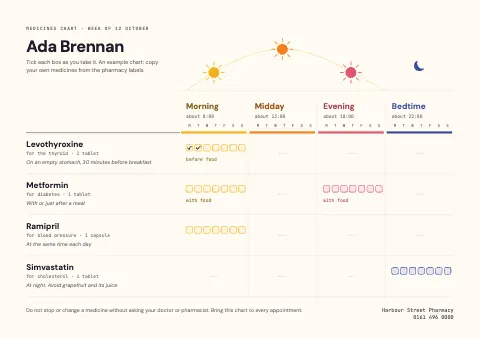
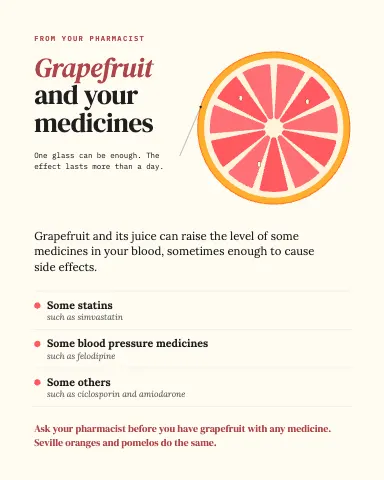
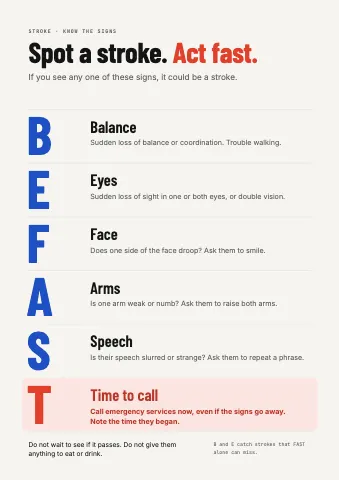
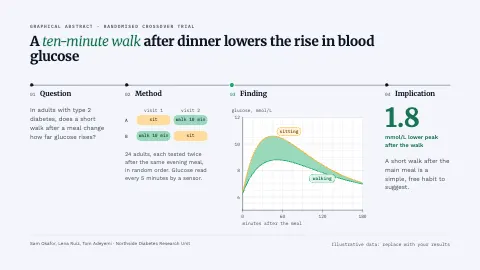
Free templatePatient information leaflet
Knee replacement guide
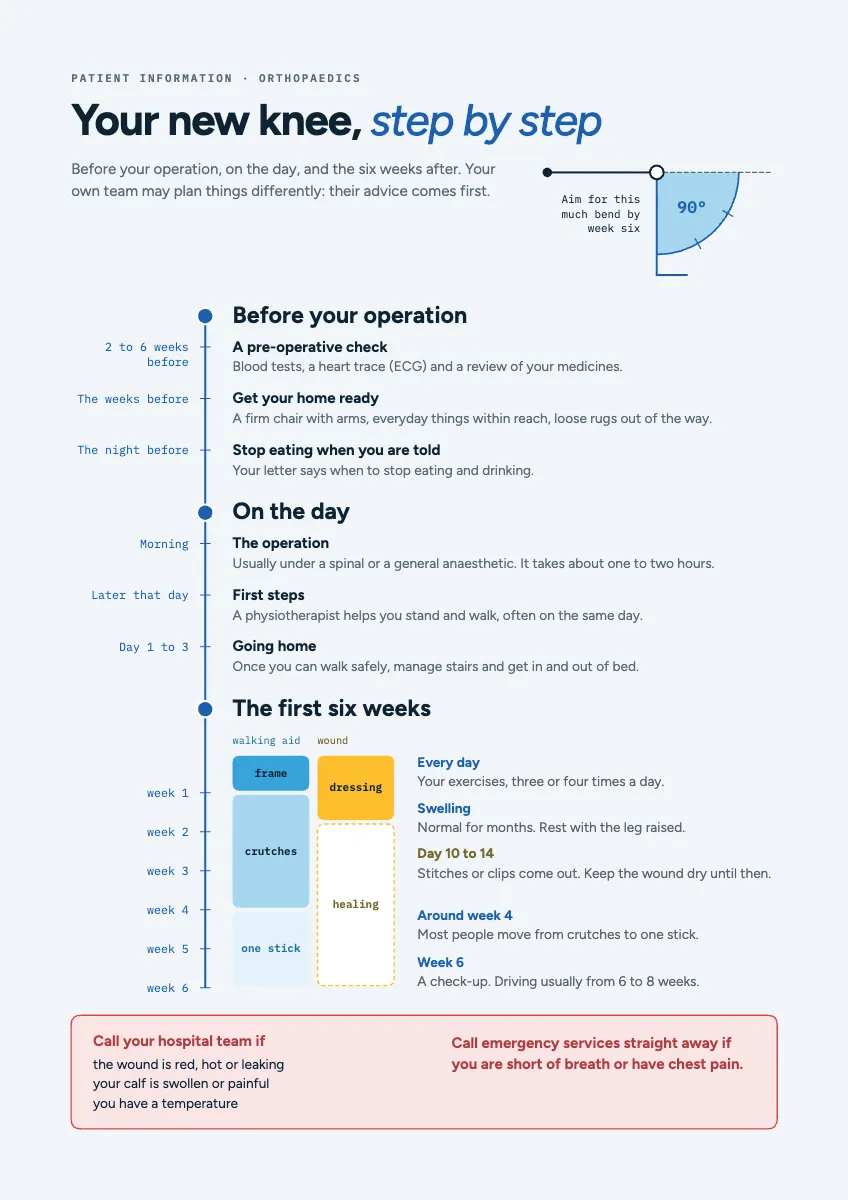
An A4 patient guide drawn as one timeline: before the operation, the day itself, and the first six weeks to scale.
Free. It opens in the Motionix editor as your own copy.
Download the pictureWebP, 848 × 1200, free to use. To change the words or colours, open it in the editor.
- Size
- 1240 × 1754 px
- Pages
- 1
- Motion
- Yes, plays live and in GIF or video
- Category
- Health and science
What it shows
- Timeline down the page
- Weeks drawn to scale
- A clear when-to-call box
Good for
How to use it
- Open the template. It becomes a project in your account.
- Change the words, colours and pictures. Every part is an ordinary shape, line or text box.
- Press Play to watch it build, then present it or export it.
What is a patient information leaflet?
A patient information leaflet is a short printed or digital guide that explains a condition, test, operation or treatment in plain language, so people know what to expect and what to do. A good one answers the questions patients actually ask: what happens before, on the day and afterwards, how long recovery takes, and who to call if something goes wrong. It supports, and never replaces, the conversation with the care team.
When it helps
- A pre-operative clinic giving people a guide to read at home before a knee or hip replacement.
- A physiotherapist reinforcing the exercises and milestones discussed at discharge.
- A ward handing carers a page that says plainly which warning signs need a phone call.
Tips
- Draw recovery weeks to scale on a timeline; it shows that swelling lasts months while the move to one stick comes around week four, which a list cannot.
- Test a draft with a few patients before printing; they find the confusing sentence that clinicians read straight past.
- Say that local teams may plan things differently and their advice comes first, so the leaflet never contradicts the person's own clinicians.
How to write a patient information leaflet
Start with what patients ask
List the questions people raise in clinic, such as how long the operation takes and when they can drive, and make those the headings.
Order it as a timeline
Arrange the content in the order the patient will live it: before the operation, the day itself, and the weeks of recovery afterwards.
Write in plain English
Use short sentences and everyday words, and explain any medical term the first time it appears, for example a heart trace (ECG).
Make warning signs stand out
Put the signs that need a call in a box of their own, separate who to call routinely from when to call emergency services, and give the numbers.
Have it checked and dated
Ask the clinical team to approve the content, and print a publication date and review date so out-of-date copies can be spotted and withdrawn.
FAQQuestions
Common questions.
What should a patient information leaflet include?
What the condition or procedure is, what happens before, during and after it, the likely recovery, the benefits and risks, any alternatives, what the patient needs to do, and who to contact with questions or concerns. It should also show who produced it and when it is due for review.
What reading level should a patient leaflet be written at?
As simple as the content allows. Health literacy guidance in the UK often suggests aiming for a reading age of about 9 to 11, using short sentences, common words and active verbs, and checking the result with real readers.
Is a patient information leaflet the same as the leaflet in a medicine box?
Not quite. In the UK the leaflet inside a medicine pack is a legally required document produced by the manufacturer. Hospitals and practices also write their own patient information leaflets about operations, conditions and services, which follow good practice rather than a fixed legal format.
More health and science templates
Patient guides, care pathways and the life sciences.